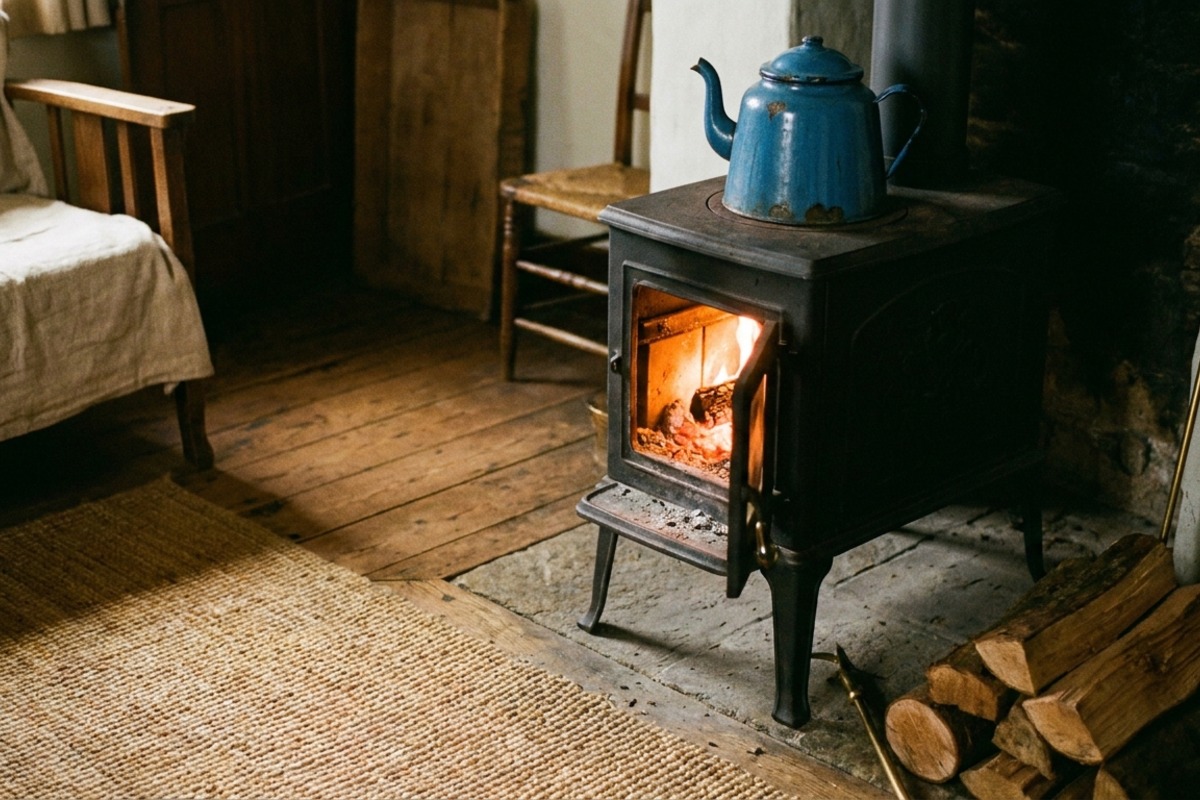
Section one
Heat
Heat the rooms you are actually in, instead of paying to warm the whole house.
Three hundred and twelve old methods for heat, water, power, food and repair.

Nobody decides to burn five thousand dollars. It goes out in small monthly pieces that never get questioned, because the bill arrives and you pay it. Here is the same house, before and after the Almanac.
| The leak | Now, per year | After |
|---|---|---|
| Heating and hot water | $2,340 | $640 |
| Electricity | $1,980 | $720 |
| Water and yard | $620 | $190 |
| Groceries thrown out | $1,240 | $290 |
| Small repairs paid to somebody | $1,000 | $140 |
| What the house loses in a year | $7,180 | $1,980 |
The gap is $5,200. Figures from a four-person household. Yours will differ. Section one shows you how to measure your own in an evening.
Not one big hole. Seven small ones, running all year, every year. Touch any of them.
Drag the house, or tap any plate
Heat does not escape through the walls. It rises and leaves through the roof, all winter, while the furnace works to replace it. The Almanac shows the evening fix that costs under thirty dollars and the one that costs nothing.
Section one · HeatNo theory, no history lesson. Each page is one method: what you need, what it costs, what it replaces, and how long it takes the first time.
These are traditional household methods, not professional instruction. For canning, follow current USDA tested processes. For anything involving gas, wiring, structure or a permit, the book tells you where to stop and who to call.
Heat the rooms you are actually in, instead of paying to warm the whole house.
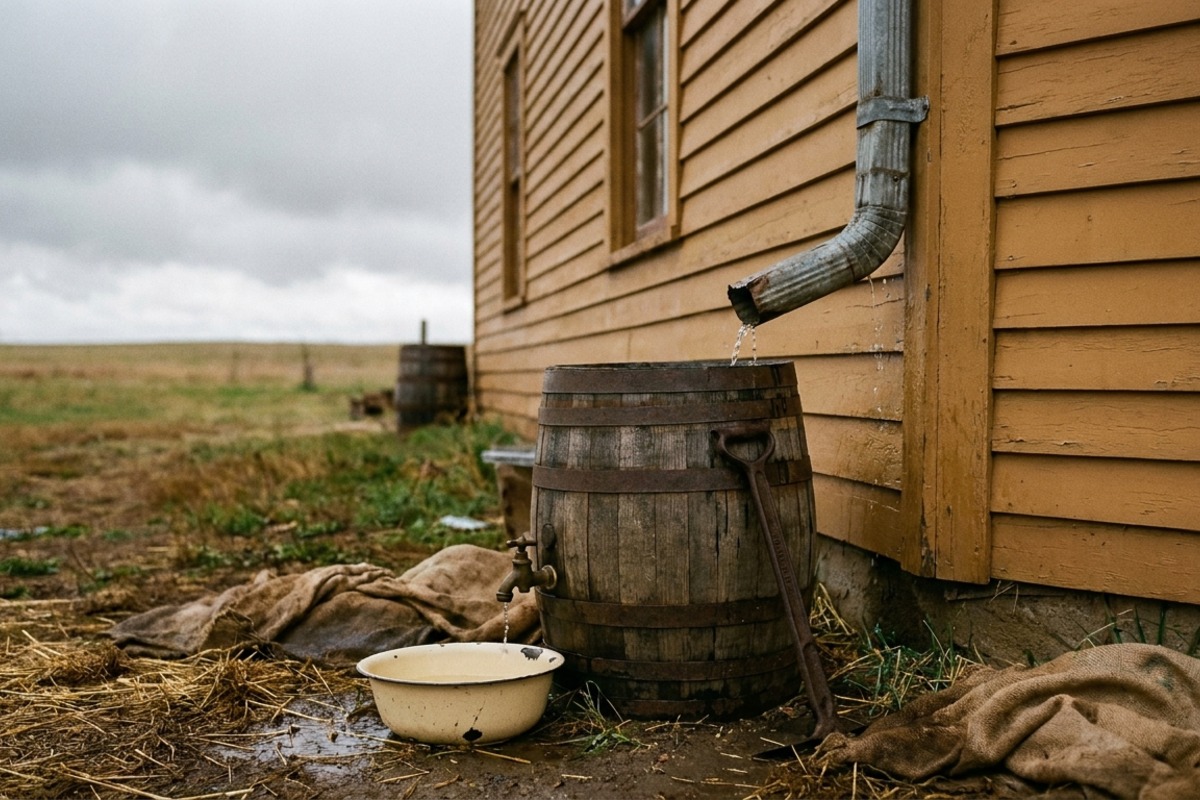
Catching what falls, moving it without a pump, keeping it clean.
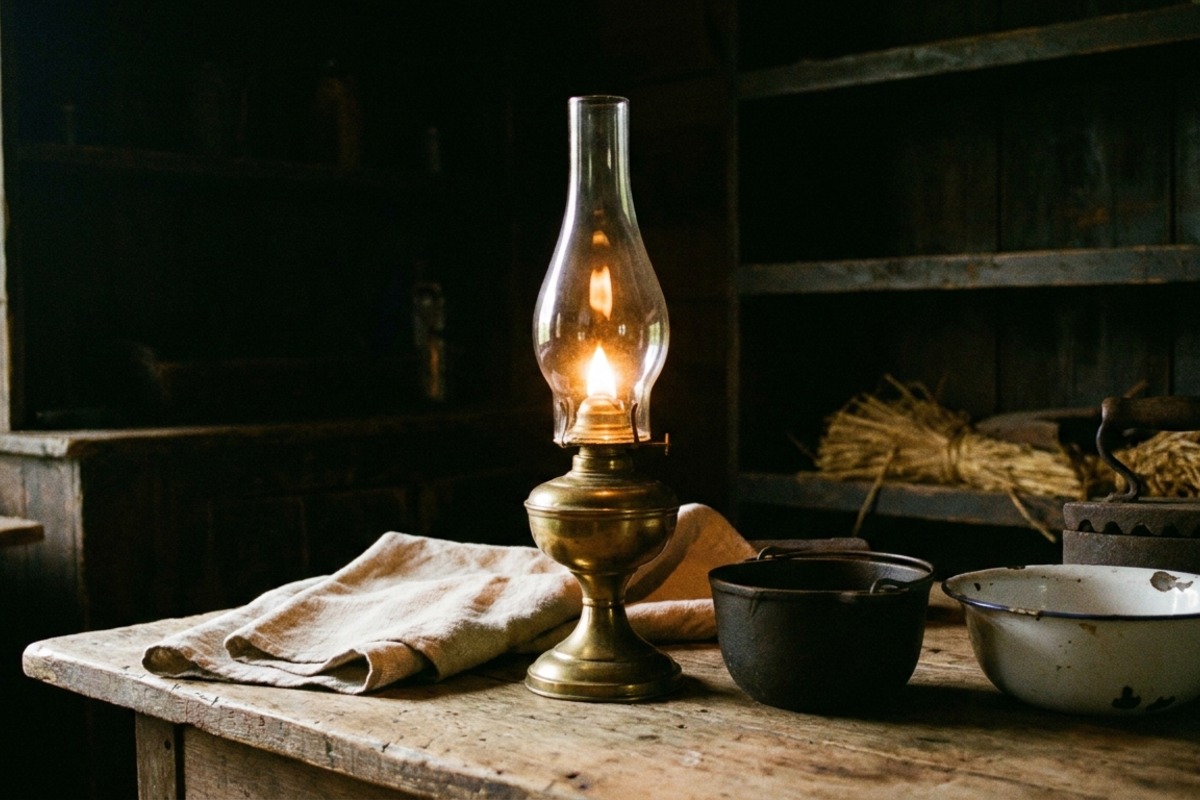
Light, a fan and a working phone on the night the grid quits.
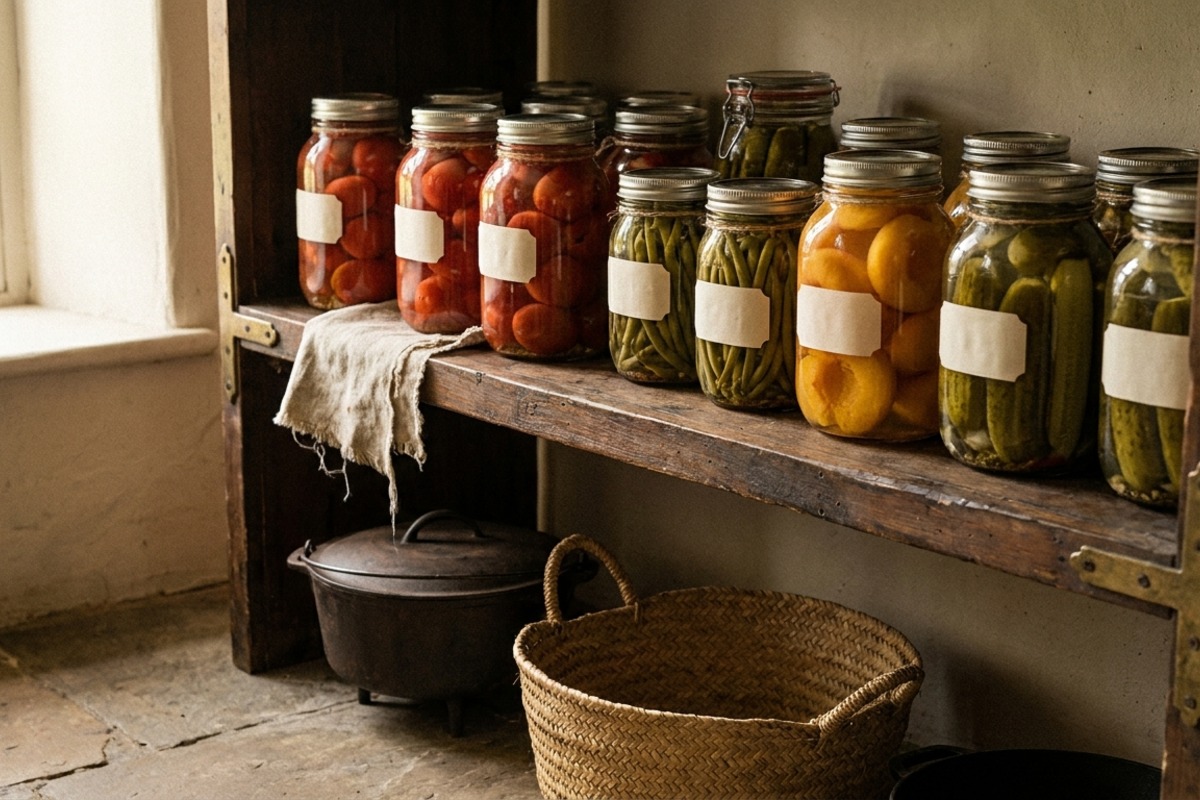
Canning, drying and root storage, so your food does not depend on the freezer staying on. Follow current USDA tested canning processes.
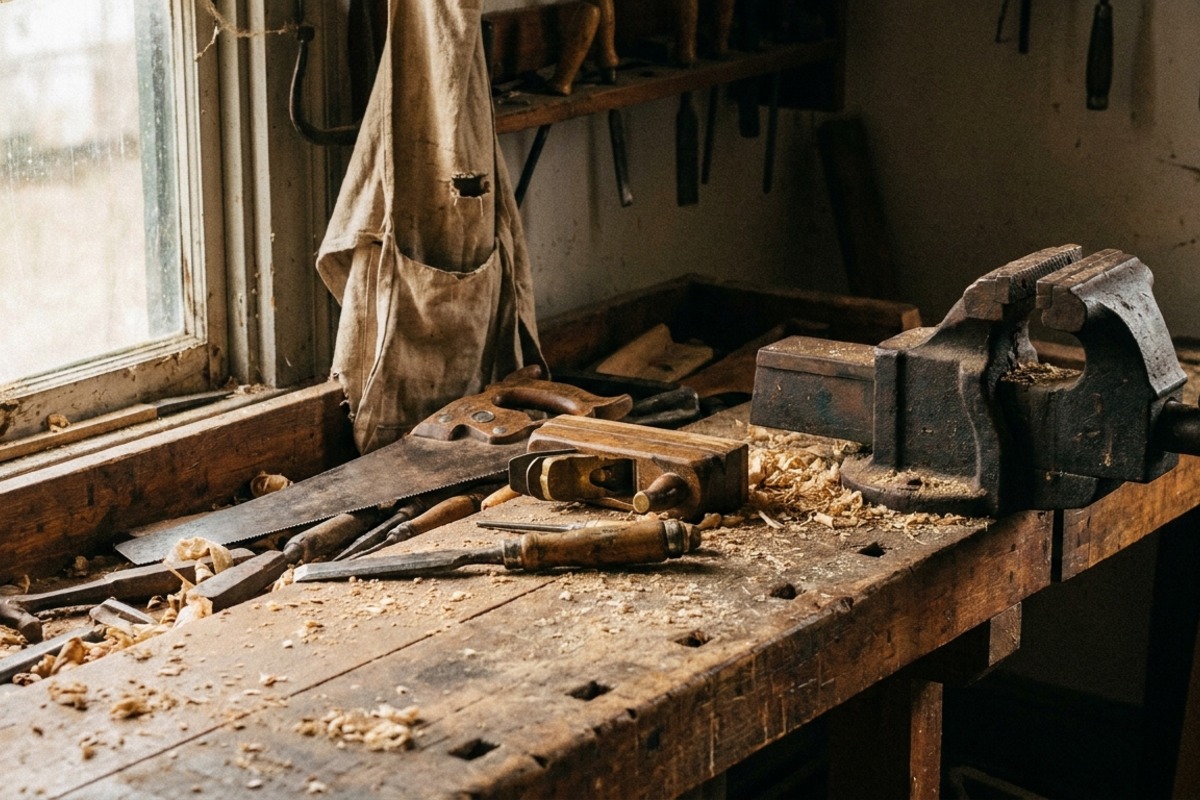
The nine repairs a house needs most, and how to do them yourself, plus when to stop and call someone.
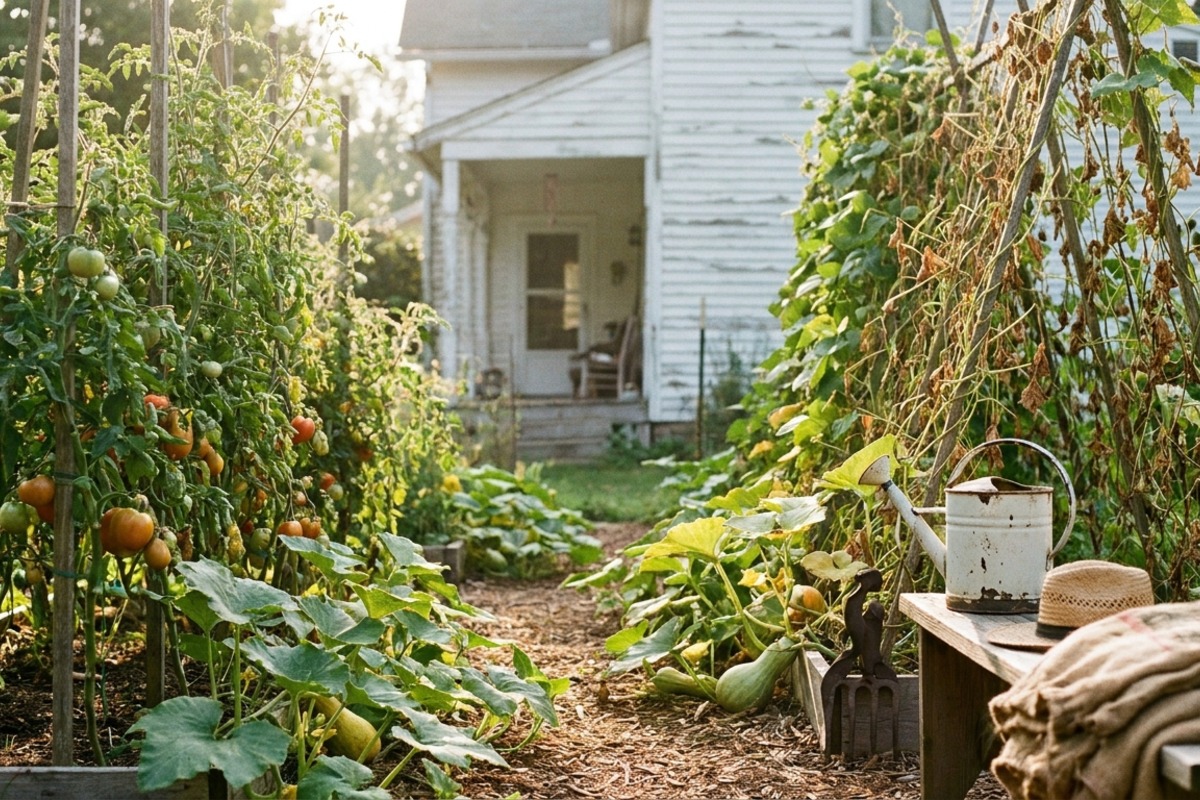
Grow enough on the ground you already have that the grocery aisle becomes a choice.
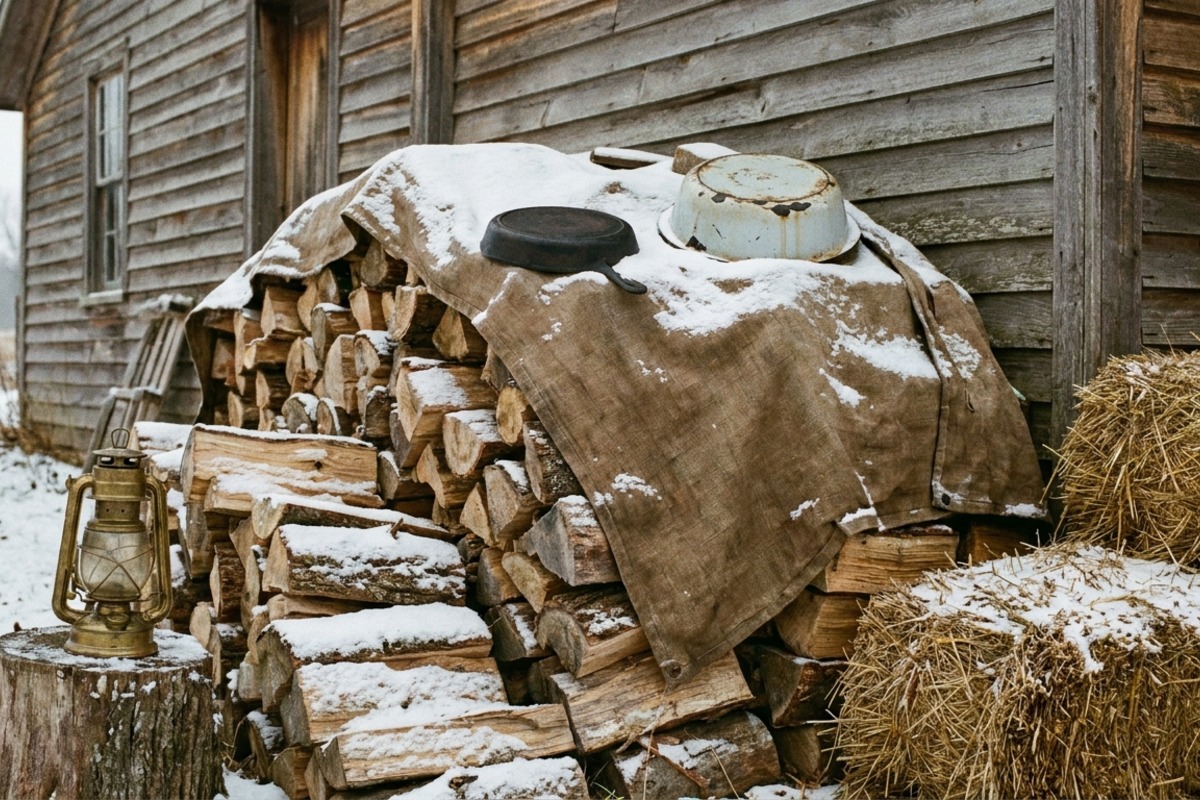
The month everything costs double, and the preparations that start in August.

"He never called it saving money. He called it not wasting it. There is a difference, and the difference is about five thousand dollars."
Papaw Elbert kept a house of six warm through Ozark winters on wood he cut himself, water he caught off the roof, and a pantry that did not need electricity to hold a year of food. He did not do it to prove a point. He did it because that was the only way it had ever been done.
Everything in this Almanac was written on the back of feed receipts, seed envelopes and one water-stained ledger. I typed it out, tested every method in a modern house, and put the ones that still work in here.
— written down by his grandson

"Did the window method in section one on a Saturday. The gas bill came in forty-one dollars under last February and it was a colder month."
"I bought it for the canning pages and stayed for the repair section. Fixed the running toilet my husband was quoted two hundred dollars for."

"Grid went out for two days in January. First time in my life it was not an emergency. Section three, page one hundred and six."
One payment. The file is yours, on every device you own, for good.
No. It is a PDF you get the minute you pay, so there is no shipping and nothing to wait for. It is laid out for printing if you would rather have it on the shelf.
Roughly two thirds of it. Heat, power, food and repair work anywhere there are walls. Water catching and the garden section need ground you can use.
Most methods use what is already in a kitchen drawer. Where a method needs something bought, the page says what it costs and what it replaces, so you can decide before you start.
It depends on what you spend now. The figure comes from a four-person household with the leaks mapped on this page. Section one shows you how to measure your own before you change anything.
Write in within seven days and you get back every dollar you paid. You keep the file.
The bill comes every month whether you read this or not. The only question is how much of it is actually necessary.